For English, see below
J4J en L4L uiten zorgen over druk op het Internationale Strafhof in gezamenlijk statement
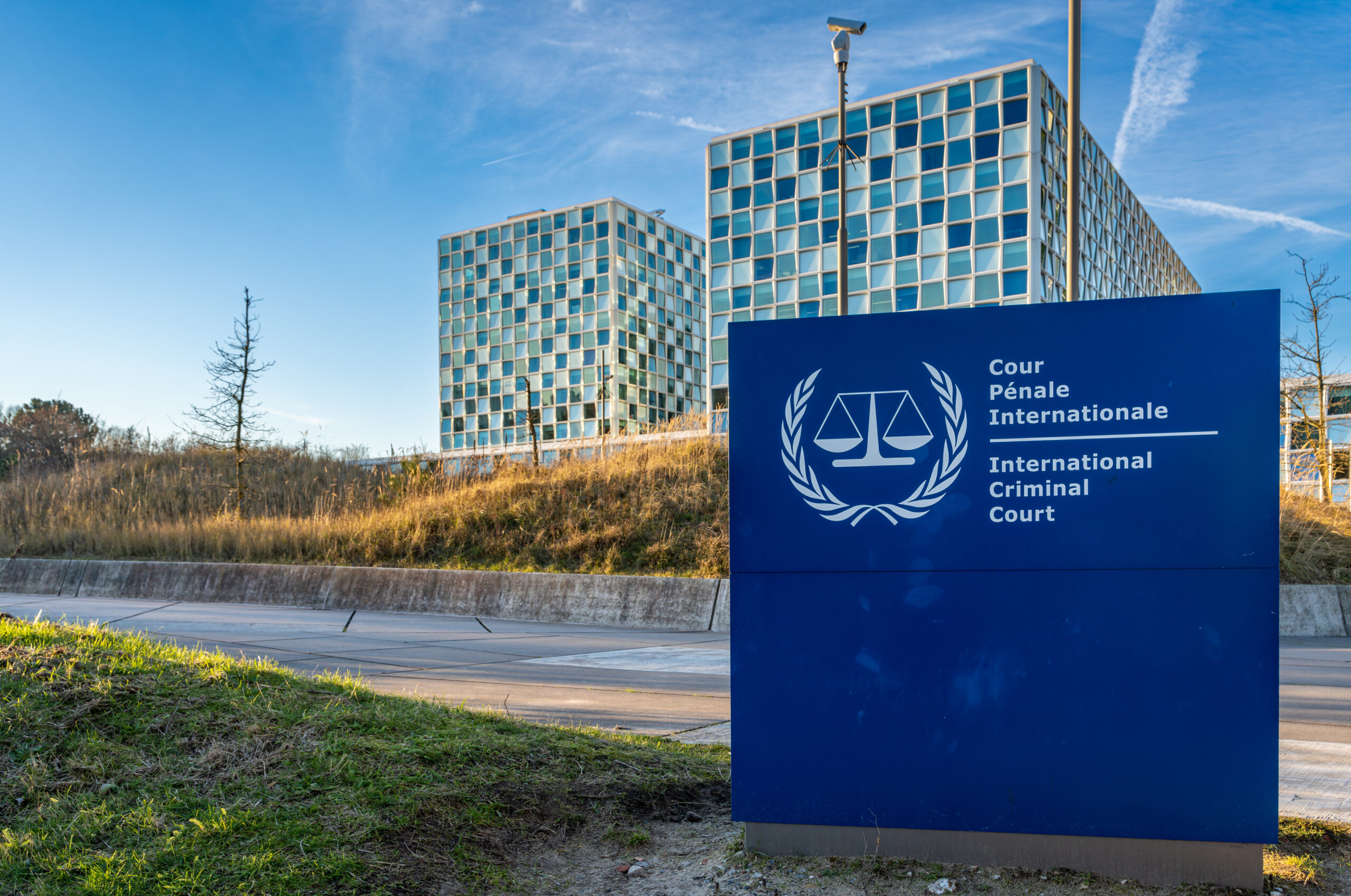
De internationale rechtsorde is deze zomer onder ongekende druk komen te staan. Na de door hun minister van Buitenlandse Zaken Rubio medio juli aangekondigde “dismantling of the ICC – brick by brick – ” lijken de Verenigde Staten de daad bij het woord te voegen, zoals laatstelijk op 18 augustus j.l. nog, toen de president van het ICC, rechter Tomoko Akane uit Japan, en de procesadvocaat van het ICC, Abdoulaye Seye uit Senegal, door de Amerikaanse regering werden gesanctioneerd. Acht andere ICC-rechters, drie aanklagers en diverse NGO’s gingen hen voor (zie het overzicht van de Amerikaanse ICC Sancties). Allen, omdat ze eenvoudigweg hun werk deden.
De Nederlandse stichtingen Judges for Judges (J4J) en Lawyers for Lawyers (L4L), maken zich grote zorgen om deze ontwikkelingen. Onze zorg gaat in de eerste plaats uit naar de betrokken rechters en advocaten, maar ook naar het voortbestaan van het instituut ICC zelf, de ondermijning van de internationale rechtsorde en de inbreuk op de Europese en dus ook de Nederlandse soevereiniteit.
VN-experts deden op 28 augustus j.l. een oproep aan lidstaten om maatregelen te nemen om het ICC te beschermen tegen onrechtmatige inmenging in de internationale rechtspraak. Ze herhaalden hun oproep aan de Europese Unie om de sancties onder het EU-blokkeringsstatuut te brengen. Deze antiboycotverordening kan voorkomen dat EU-lidstaten zich houden aan sancties van derde landen die in strijd zijn met het internationaal recht, en kunnen banken en dienstverleners daartegen beschermen. “Het is van essentieel belang dat staten ervoor zorgen dat bedrijven binnen hun jurisdictie deze unilaterale sancties niet overmatig naleven. Lidstaten moeten overleggen over acties die ze gezamenlijk kunnen ondernemen om het Hof, zijn personeel en degenen die met het Hof samenwerken te beschermen.” De VN-experts drongen er ook bij de lidstaten op aan om de Overeenkomst inzake privileges en immuniteiten van het ICC te gebruiken om de gevolgen van de sancties te verzachten en hun operationele samenwerking met het Hof te versterken.
Ook de Raad van Europese Balies (CCBE) heeft benadrukt dat de Amerikaanse sancties verder reiken dan een geschil over afzonderlijke onderzoeken van het Internationaal Strafhof. Volgens de CCBE raken deze maatregelen aan fundamentele beginselen van de rechtsstaat, waaronder de onafhankelijkheid van de rechtspraak en het goed functioneren van de internationale rechtsorde. Daarnaast wijst de organisatie op de directe gevolgen voor de dagelijkse werkzaamheden van het Hof en op het afschrikwekkende effect dat de sancties kunnen hebben op rechters, advocaten en andere juridische professionals die betrokken zijn bij de werkzaamheden van het ICC.
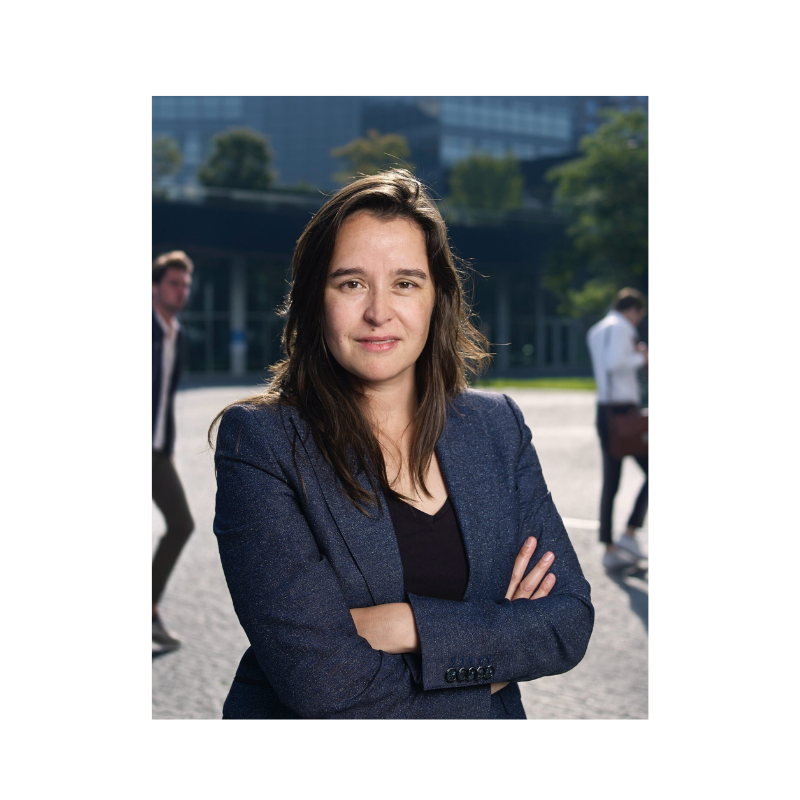
Oud ICC-rechter- Christine van den Wyngaert signaleert in haar opiniestuk “Europese Unie moet Japan actief steunen om ICC te beschermen” in het Financieel Dagblad van 1 september 2026 dat het de komende weken cruciaal is dat gelijkgezinde landen zich organiseren om samen de Amerikaanse druk te weerstaan.
De bescherming van het Internationaal Strafhof is van essentieel belang voor het handhaven van de internationale rechtsorde en het waarborgen van toegang tot de rechter. J4J en L4L onderschrijven deze oproepen en doen een appèl op de lidstaten van het ICC, de EU-lidstaten en in het bijzonder Nederland als gastland om hun eerder uitgesproken steun aan het ICC te bevestigen en ook daadwerkelijk gestalte te geven in gecoördineerde concrete maatregelen ter bescherming van rechters, aanklagers, advocaten, stafleden en allen die met het ICC samenwerken tegen de gevolgen van unilaterale sancties.
Lees de volledige verklaring hier.
ENGLISH VERSION
J4J and L4L express concern over pressure on the International Criminal Court in joint statement
The international legal order has come under unprecedented pressure this summer. Following the “dismantling of the ICC – brick by brick –” announced by US Secretary of State Rubio in mid-July, the United States appears to be following through on this rhetoric, most recently on 18 August, when the President of the ICC, Judge Tomoko Akane of Japan, and ICC Trial Lawyer Abdoulaye Seye of Senegal, were sanctioned by the US government. Eight other ICC judges, three prosecutors and various NGOs had already been sanctioned before them (see the overview of sanction imposed on the ICC by the US). All of them, simply for doing their jobs.
The Dutch foundations Judges for Judges (J4J) and Lawyers for Lawyers (L4L) are deeply concerned about these developments. Our concern is, first and foremost, for the judges and lawyers affected, but also for the continued existence of the ICC as an institution, the undermining of the international legal order, and the infringement on European — and thus also Dutch — sovereignty.
On 28 August, UN experts issued a call on member states to take measures to protect the ICC against unlawful interference in international justice. They reiterated their call on the European Union to bring the sanctions under the EU Blocking Statute. This anti-boycott regulation can prevent EU member states from complying with third-country sanctions that violate international law, and can protect banks and service providers against them. “It is essential that states ensure that companies within their jurisdiction do not over-comply with these unilateral sanctions. Member states must consult on actions they can take jointly to protect the Court, its staff, and those who cooperate with the Court.” The UN experts also urged States Parties to make use of the Agreement on the Privileges and Immunities of the ICC to mitigate the effects of the sanctions and to strengthen their operational cooperation with the Court.
The Council of Bars and Law Societies of Europe (CCBE) has also emphasized that the US sanctions extend far beyond a dispute over individual ICC investigations. According to the CCBE, these measures strike at fundamental principles of the rule of law, including judicial independence and the proper functioning of the international legal order. The organization also points to the direct impact on the Court’s day-to-day operations, and to the chilling effect the sanctions may have on judges, lawyers and other legal professionals involved in the work of the ICC.
Former ICC judge Christine van den Wyngaert notes in her opinion piece “The European Union must actively support Japan to protect the ICC,” published in Het Financieele Dagblad on 1 September 2026, that in the coming weeks it will be crucial for like-minded states to organize themselves in order to jointly withstand American pressure.
Protecting the International Criminal Court is essential to upholding the international legal order and safeguarding access to justice. J4J and L4L endorse these calls and appeal to ICC States Parties, EU Member States, and in particular The Netherlands as host state, to reaffirm their previously expressed support for the ICC and to translate this support into concrete, coordinated measures to protect judges, prosecutors, lawyers, staff members, and all those who cooperate with the ICC from the consequences of unilateral sanctions.
Read the full statement here.