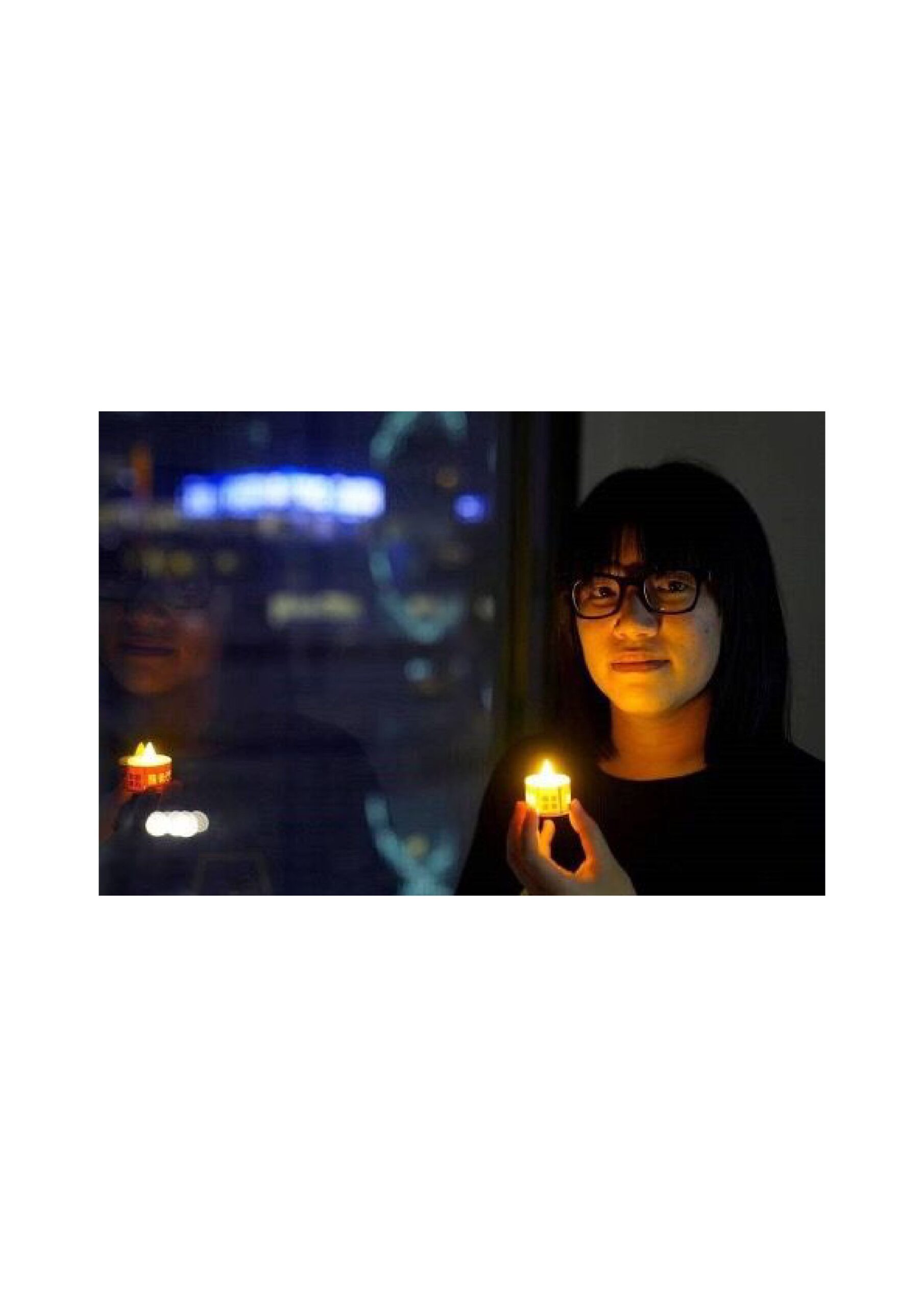
Lawyers for Lawyers, together with the Law Society of England and Wales, the International Bar Association’s Human Rights Institute (IBAHRI), Council of Bars and Law Societies of Europe (Conseil des Barreaux Européens, CCBE), Asian Lawyers Network, The Rights Practice, and Lawyers’ Rights Watch Canada express our grave concern regarding the conviction on 21 August 2026 of renowned human rights barrister Chow Hang-tung, alongside Lee Cheuk-yan, a former legislator, on charges of incitement to subversion under Hong Kong SAR’s national security laws. Both now face up to 10 years in prison.
Chow Hang-tung’s human rights work, detention and trial
Chow Hang-tung was charged in 2021, together with Lee Cheuk-yan and Albert Ho, a lawyer and former politician, in connection with their roles in the Hong Kong Alliance and the organisation of peaceful vigils commemorating the 1989 Tiananmen Square crackdown.
The 2020 National Security Law criminalises any act of secession, subversion, terrorism and collusion with foreign forces in Hong Kong SAR. Since its introduction, Chow Hang-tung has been subjected to extensive harassment, multiple arrests, prolonged pre-trial detention and periods of solitary confinement by the authorities for her legitimate human rights work.
In 2024, the government enacted further national security legislation under Article 23, ‘Safeguarding National Security Ordinance’. Chow Hang-tung was among the first to be targeted under this law, with new charges brought against her on 28 May 2024 for social media posts regarding a “sensitive date”, the Tiananmen Square anniversary that the authorities deemed as “inciting hatred” against Beijing.
Following more than four years in pre-trial detention, often spent in prolonged solitary confinement, her trial commenced on 22 January 2026. Representing herself throughout the proceedings, she consistently sought to exercise her legal rights, including applying for bail, challenging restrictions on public reporting of the case, and contesting the secrecy that typically surrounds national security proceedings. She maintained her innocence and pleaded not guilty to all charges.
Throughout her trial, Chow highlighted the broader implications of her prosecution for human rights and the rule of law. In her oral submissions, Chow stated that “telling the truth is recast as inciting hatred, seeking justice as exploiting suffering, limiting power as violating the Constitution, and returning power to the people as subverting the state.”
The wider implications for lawyers and the rule of law
The conviction of Chow Hang-tung raises serious concerns about the ability of lawyers to carry out their professional responsibilities and exercise their rights, including freedom of expression, association and peaceful participation in public life, without fear of prosecution. Criminalising lawyers for their peaceful advocacy and engagement in civil society risks undermining the independence of the legal profession, public confidence in the rule of law, and access to independent legal representation.
The prosecution and conviction of Chow Hang-tung is contrary to international standards protecting the independence of lawyers and the rights to freedom of expression and fair trial, including Articles 14 and 19 of the International Covenant on Civil and Political Rights (ICCPR), which continue to apply in Hong Kong SAR through the Basic Law and the Hong Kong Bill of Rights Ordinance.
UN Special Procedures and the UN Human Rights Committee (HRCttee) have expressed grave concerns that the National Security Law does not comply with the obligations of Hong Kong SAR, under international human rights law, and restricts or violates numerous rights guaranteed by the ICCPR. The HRCttee recommended in its 2022 Concluding Observations that Hong Kong SAR, “take concrete steps to repeal the current National Security Law and, in the meantime, refrain from applying it,” and ensure that all national security laws conform to the ICCPR.’
Protection of lawyers under the UN Basic Principles
Furthermore, in accordance with Article 16 of the UN Basic Principles on the Role of Lawyers, governments should “ensure that lawyers (a) are able to perform all of their professional functions without intimidation, hindrance, harassment or improper interference; (…) and (c) shall not suffer, or be threatened with, prosecution or administrative, economic or other sanctions for any action taken in accordance with recognised professional duties, standards and ethics”. Moreover, Article 23 of the Basic Principles provides that: “Lawyers like other citizens are entitled to freedom of expression, belief, association, and assembly. In particular, they shall have the right to take part in public discussion of matters concerning the administration of justice and the promotion and protection of human rights.”
Chow Hang-tung’s conviction raises grave concerns about the protection afforded to lawyers in Hong Kong SAR and the ability of legal professionals to engage in legitimate human rights and public interest activities without fear of prosecution.
Therefore, our organisations urge the relevant authorities to:
- ensure that the right to a fair trial and due process is fully respected during sentencing and any appeal proceedings
- repeal or amend all laws that erode the rule of law, judicial independence and fair trial rights in Hong Kong SAR, including the national security law, to bring them in line with international human rights.
- ensure that national security legislation is applied in a manner consistent with Hong Kong SAR’s international human rights obligations, including the rights to freedom of expression, association and peaceful assembly
- refrain from prosecuting or sanctioning lawyers for the peaceful exercise of their rights or for activities undertaken in accordance with their professional duties
- ensure compliance with the UN Basic Principles on the Role of Lawyers, including the obligation to protect lawyers from prosecution or other sanctions arising from the legitimate exercise of their profession and fundamental freedoms
- to safeguard the ability of lawyers and civil society actors to participate in public discussion on matters relating to human rights, the administration of justice and the rule of law.
Signatories:
Law Society of England and Wales
Lawyers for Lawyers
International Bar Association’s Human Rights Institute (IBAHRI)
Council of Bars and Law Societies of Europe (Conseil des Barreaux Européens, CCBE)
Asian Lawyers Network
The Rights Practice
Lawyers’ Rights Watch Canada
Download the PDF version of the statement.