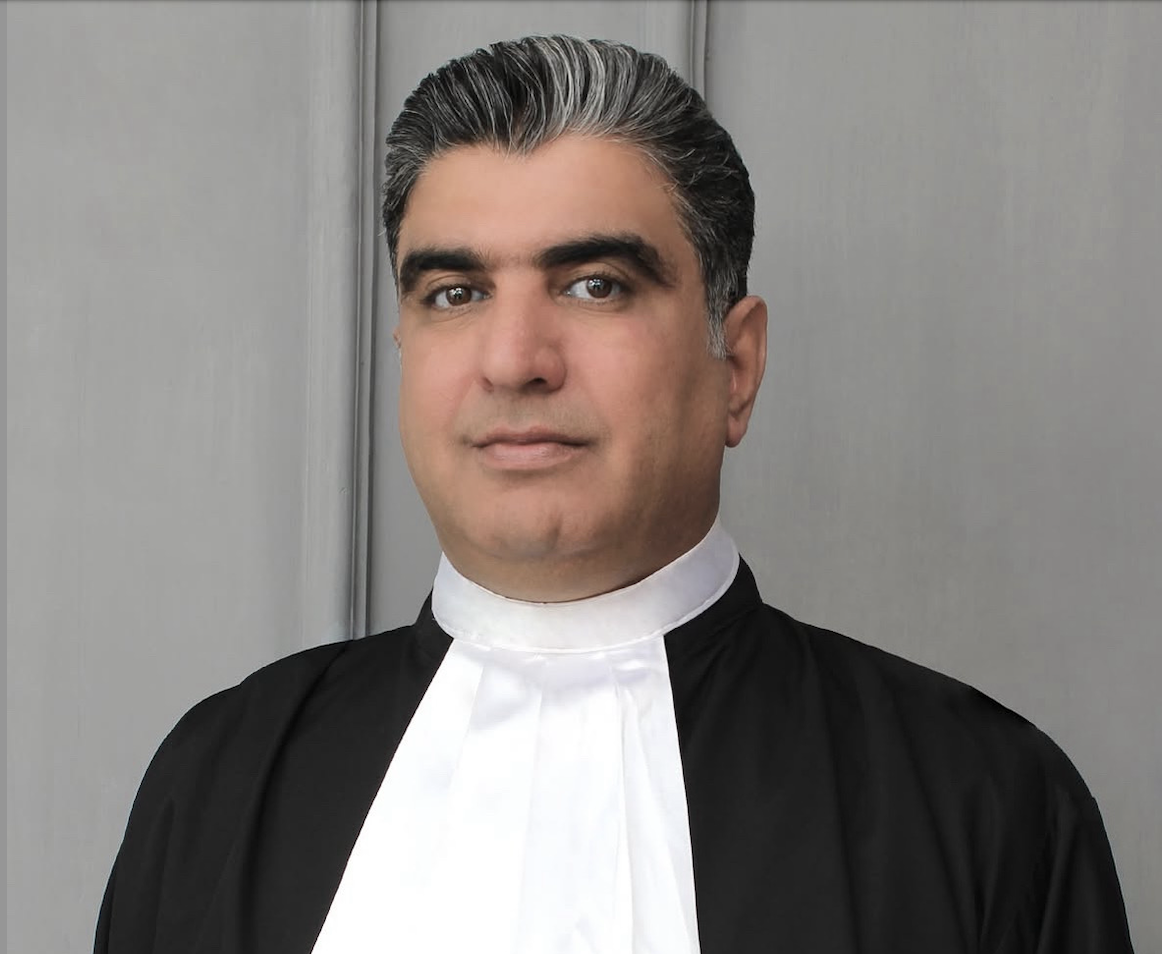
A group of more than 80 Iranian lawyers have publicly expressed grave concern regarding the death of human rights lawyer Khosrow Alikordi, and have called for transparency and accountability in relation to the circumstances surrounding his death. This case reflects a broader pattern of prosecution, intimidation, imprisonment and killing of lawyers in Iran. We, the undersigned legal and human rights organisations, echo this call, further expressing grave concerns regarding the reported arrests and harassment of lawyers and individuals associated with memorial gatherings held in his memory. These developments raise serious questions about the safety of lawyers in Iran and the conditions under which members of the legal profession carry out their work.
Mr. Alikordi had a well-documented history of persecution arising directly from the lawful exercise of his professional duties as a lawyer, including arbitrary arrest and imprisonment, sustained harassment, disbarment from legal practice, and the imposition of travel bans, solely for representing political prisoners and undertaking human rights–related cases. Khosrow Alikordi’s body was discovered in his office on 8 December 2025. While provisional authorities immediately attributed his death to a “heart attack,” conflicting reports have emerged, and the CCTV records from his office were confiscated, and the full recordings have reportedly not been provided to the family or their legal representatives.
Fellow Iranian lawyers have described the circumstances of his arrest and death as suspicious and have emphasised the absence of clear, public information regarding the cause of his death. Accordingly, they have called for a transparent, independent, and impartial investigation.
Following Mr. Alikordi’s death, his brother, fellow lawyer Javad Alikordi, disclosed that he had been summoned by the Mashhad Revolutionary Court on 10 December 2025. According to sources, on 12 December 2025 Mr. Javad Alikordi was arrested by security forces at his workplace in Mashhad, hours after he spoke publicly during an Instagram live broadcast about the violent crackdown at his brother’s seventh-day memorial. Mr. Javad Alikordi has reportedly been charged with “assembly and collusion” and “propaganda against the state,” and is believed to be held in solitary confinement. It has also been reported that the Mashhad Prosecutor’s Office has refused to recognise the power of attorney of the lawyers chosen by his family, constituting a serious interference with the right to legal counsel and fair trial guarantees.
It has been reported that surveillance cameras have been installed around Mr. Alikordi’s gravesite and that special security forces have been deployed to prevent individuals from approaching the grave, including by threatening those present.
Organisations and families reported that attendees at the gravesite have been subjected to violent attacks, placed in solitary confinement, and face serious charges. Reports further indicate that several individuals, including lawyers and civil society figures, were arrested during or after memorial gatherings for Mr. Alikordi. Over 50 individuals were arrested during the seventh-night memorial ceremony and at least thirty names have been published on multiple platforms. It has further been reported that some of those detained have since been denied contact with their families, and that no information is currently available regarding their whereabouts or condition. Arrests in this context have intensified concerns within the legal community regarding reprisals for the peaceful exercise of freedom of expression, association, and professional activity.
We, the undersigned organisations, note that these developments occur in the context of ongoing pressure on independent lawyers in Iran, including arrests, prosecutions, interrogation, professional sanctions, and other forms of intimidation linked to their lawful professional activities. This broader pattern has been documented by international legal organisations and UN experts, and most recently, a joint report by the International Bar Association’s Human Rights Institute (IBAHRI) and the Center for Supporters of Human Rights, which highlights a systematic assault on lawyers and the independence of the legal profession in Iran.
Under international human rights law, including the International Covenant on Civil and Political Rights (ICCPR), to which Iran is a state party, authorities are obligated to protect the right to life (article 6), ensure liberty and security of person (article 9), and guarantee due process and fair trial rights (article 14). In addition, the UN Basic Principles on the Role of Lawyers require governments to ensure that lawyers are able to perform their professional functions without intimidation, harassment, or improper interference, and that they are not subjected to sanctions for actions taken in accordance with their professional duties (Principle 16).
Furthermore, where the security of lawyers is threatened as a result of discharging their functions, they shall be adequately safeguarded by the authorities (Principle 17). The UN Basic Principles also guarantee lawyers’ right to freedom of expression (Principle 23).
Echoing the concerns raised by Iranian lawyers themselves, we urge the Iranian authorities to:
- Ensure full transparency regarding the arrest, detention, and death of Khosrow Alikordi, including through an independent and impartial investigation;
- Release lawyer Javad Alikordi from detention and ensure no further reprisals against him for his professional duties and exercising his right to freedom of expression;
- Publicly clarify the legal basis for any arrests made in connection with memorial gatherings or expressions of concern related to Khosrow Alikordi’s death;
- Ensure that lawyers and other individuals are not subjected to arrest, detention, or harassment for peacefully expressing concern, participating in memorials, or carrying out their professional duties;
- Guarantee that all lawyers in Iran are able to practice independently and safely, in accordance with Iran’s obligations under international law.
The coordinated concerns expressed by Iranian lawyers highlight the urgent need for transparency and accountability within the Iranian justice system. Ensuring the safety and independence of lawyers is essential to the administration of justice and the rule of law.
Signatories:
Lawyers for Lawyers
Law Society of England and Wales
International Bar Association’s Human Rights Institute (IBAHRI)
Access the pdf of the statement here.