On 21 November 2025, the Inter-American Commission on Human Rights (IACHR) held its first-ever regional hearing dedicated to examining the situation of lawyers across the Americas. The hearing was requested by several civil society organisations operating in Guatemala, Nicaragua, El Salvador, Peru, Mexico, Venezuela, and the United States.
Civil society groups, individual lawyers, and international experts alerted the Commission to systematic patterns of harassment, criminalisation, and reprisals against lawyers throughout the region. They warned that these attacks undermine not only the rights of lawyers, but also the rights of their clients and the broader guarantees of due process and access to justice, particularly for vulnerable groups.
Country-specific reports reveal widespread patterns of persecution
Representatives from multiple countries described a shared pattern of obstruction, intimidation, and retaliation against lawyers. Reported practices include the use of unfounded criminal proceedings, arbitrary detentions, administrative restrictions, surveillance, threats, violence, and smear campaigns.
In Guatemala, criminal law is used to intimidate and imprison lawyers who handle corruption and human rights cases. The cases of Virginia Laparra, Eduardo Masaya, and Claudia González were cited as indicative of a broader pattern involving surveillance, smear campaigns, threats, and the strategic use of criminal offences to obstruct legal work.
Speakers further explained that in Nicaragua, Foreign Agents’ legislation and treason provisions have been deployed to close organisations, seize assets, criminalise human rights defenders, and silence dissent. In 2022, 26 lawyers were suspended from the national bar association after being branded “traitors to the nation.” The following year, the Supreme Court reportedly revoked the licences of 25 lawyers and notaries, without disciplinary proceedings, on the basis that they had been stripped of nationality and were therefore considered foreigners.
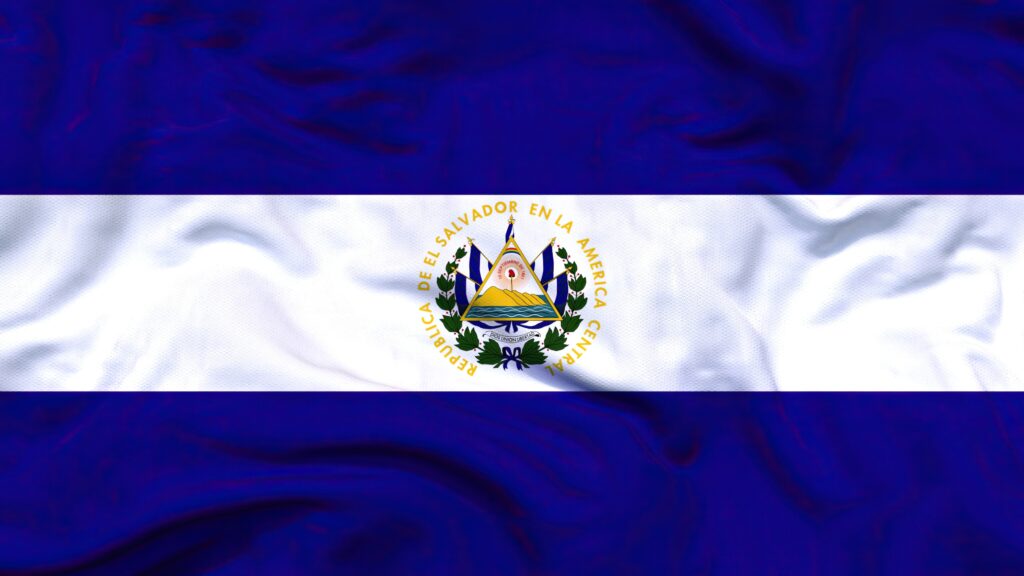
Accounts from El Salvador highlighted that the ongoing state of emergency has facilitated arbitrary detentions of lawyers, including those working in human rights and constitutional law. Others have fled the country due to a well-founded fear of imprisonment. Severe restrictions on access to clients, non-compliance with judicial release orders, and constant surveillance were described as part of their daily professional reality. New legal reforms also raise concerns about restricted due process guarantees, limitations on legal defence, and added pressure on a strained justice system.
In Mexico, speakers noted growing challenges for lawyers due to threats, homicides, harassment, censorship, intimidation, restricted access to information, and administrative barriers. They warned of an increasing normalisation of violence and pressure on freedom of expression, which contributes to heightened tensions within the judiciary and legal profession.
According to participants addressing the situation in Venezuela, lawyers who defend political prisoners, denounce torture, or represent interests contrary to powerful actors face systemic harassment and criminalisation. They are often portrayed as destabilising forces or linked to criminal activity, narratives that fuel stigmatization and justify further attacks.
Concerns were also raised regarding the United States, where lawyers—particularly those working in migration law—described a climate of fear of reprisals from executive authorities. They reported the transfer of detained clients to remote facilities, hampering communication and undermining the right to defence.
UN Special Rapporteur highlights threats to the legal profession
Margaret Satterthwaite, the UN Special Rapporteur on the Independence of Judges and Lawyers, emphasised that lawyers in the region face threats not only from governments but also from organised crime and powerful economic actors. She recalled that, under international standards such as the UN Basic Principles on the Role of Lawyers, states must ensure that lawyers can carry out their duties free from intimidation, obstacles, harassment, or interference.
The Special Rapporteur stressed that protecting the independence of the legal profession is essential for safeguarding the right to a fair trial, equality before the law, and the protection of human rights. She also highlighted the recent Council of Europe Convention on the Protection of the Profession of Lawyer—the first legally binding instrument dedicated specifically to the protection of lawyers—and noted that it is open to non-member states of the Council of Europe.
Petitioners call for regional standards and stronger protection mechanisms
Petitioners urged the IACHR to develop regional standards on the rights of lawyers and the protection of the legal profession, and to launch a regional awareness campaign underscoring the importance of an independent legal profession in democratic societies governed by the rule of law.
They also called on states to:
- Establish or strengthen national protection mechanisms for lawyers working on public interest cases.
- Repeal or amend laws and vague criminal provisions used to criminalise or unduly restrict the legal profession.
- Conduct prompt, impartial, and thorough investigations into threats, attacks, and smear campaigns against lawyers.
Taken together, the interventions revealed consistent patterns of persecution across diverse contexts, highlighting the close link between the work of lawyers and the functioning of the rule of law, the defence of human rights, and transparent governance.
Lawyers for Lawyers welcomes this historic milestone as a significant step towards addressing the serious risks faced by lawyers in the Americas and will continue to raise awareness of the threats encountered by lawyers in the region as they carry out their professional and legitimate duties.