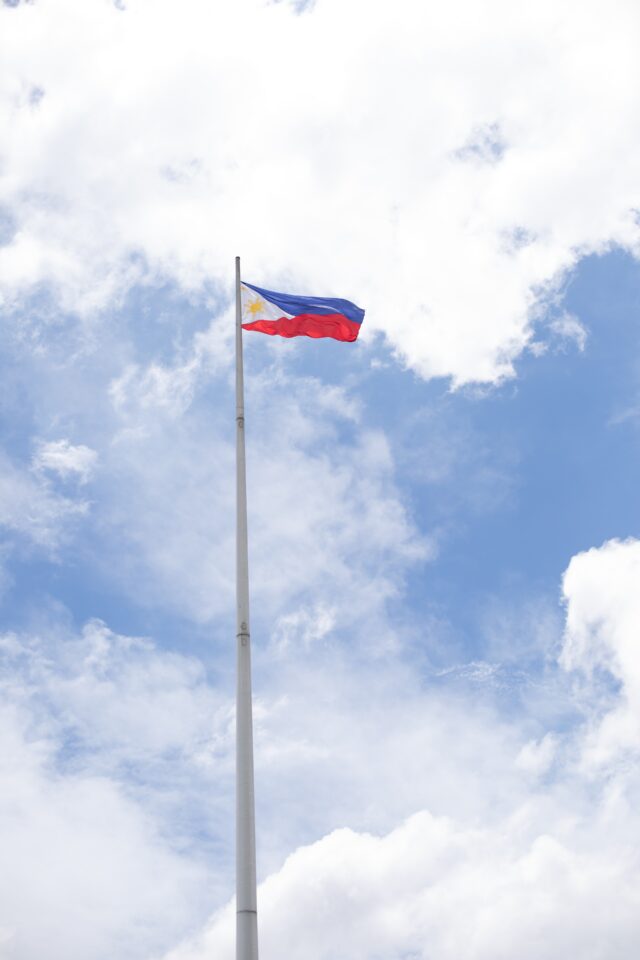
Lawyers for Lawyers, together with the Law Society of England and Wales, the International Bar Association’s Human Rights Institute, the International Observatory of Lawyers at Risk, the Foundation Day of the Endangered Lawyer, and the European Association of Lawyers for Democracy and Human Rights, has submitted a mid-term report for the fourth cycle of the Universal Periodic Review (UPR) of the Philippines.
The report raises serious concerns about the Philippines’ human rights performance, particularly with regard to compliance with the UN Basic Principles on the Role of Lawyers.
During the fourth UPR cycle, the Philippines received a total of 289 recommendations. Of these, 21 specifically addressed the protection of human rights defenders, including lawyers. Seven recommendations called for an end to the practice of “red-tagging” and for reforms to legislation underpinning the “war on drugs” and anti-terrorism measures. A further 21 recommendations focused on strengthening accountability for extrajudicial killings and other grave human rights violations affecting lawyers and human rights defenders.
The signatory organizations have monitored the Philippines’ compliance with these recommendations, including through a fact-finding mission—the Caravana Filipina—conducted in 2024. Their findings indicate that the Philippine authorities have failed to sufficiently implement the recommendations. In particular, the government has not taken adequate action to ensure that lawyers can carry out their professional duties freely and independently, without intimidation, harassment, hindrance, or improper interference.
The report documents persistent patterns of violence and repression against legal professionals, which form part of a broader and systematic effort to suppress lawyers engaged in the defense of human rights and the rule of law. Practices such as surveillance, intimidation, red-tagging, lawfare, and extrajudicial killings continue to be reported, creating a chilling effect not only on individual lawyers but on the legal profession as a whole.
The report concludes by urging UN Member States to actively follow up on the recommendations made during the UPR process. It also calls on the Government of the Philippines to fully implement the recommendations it accepted in previous UPR cycles and to bring its practices into line with international legal standards on the independence of the legal profession.
Read the full submission here.